The Science of Feeling Good: Practical Health Tips for a Healthier You
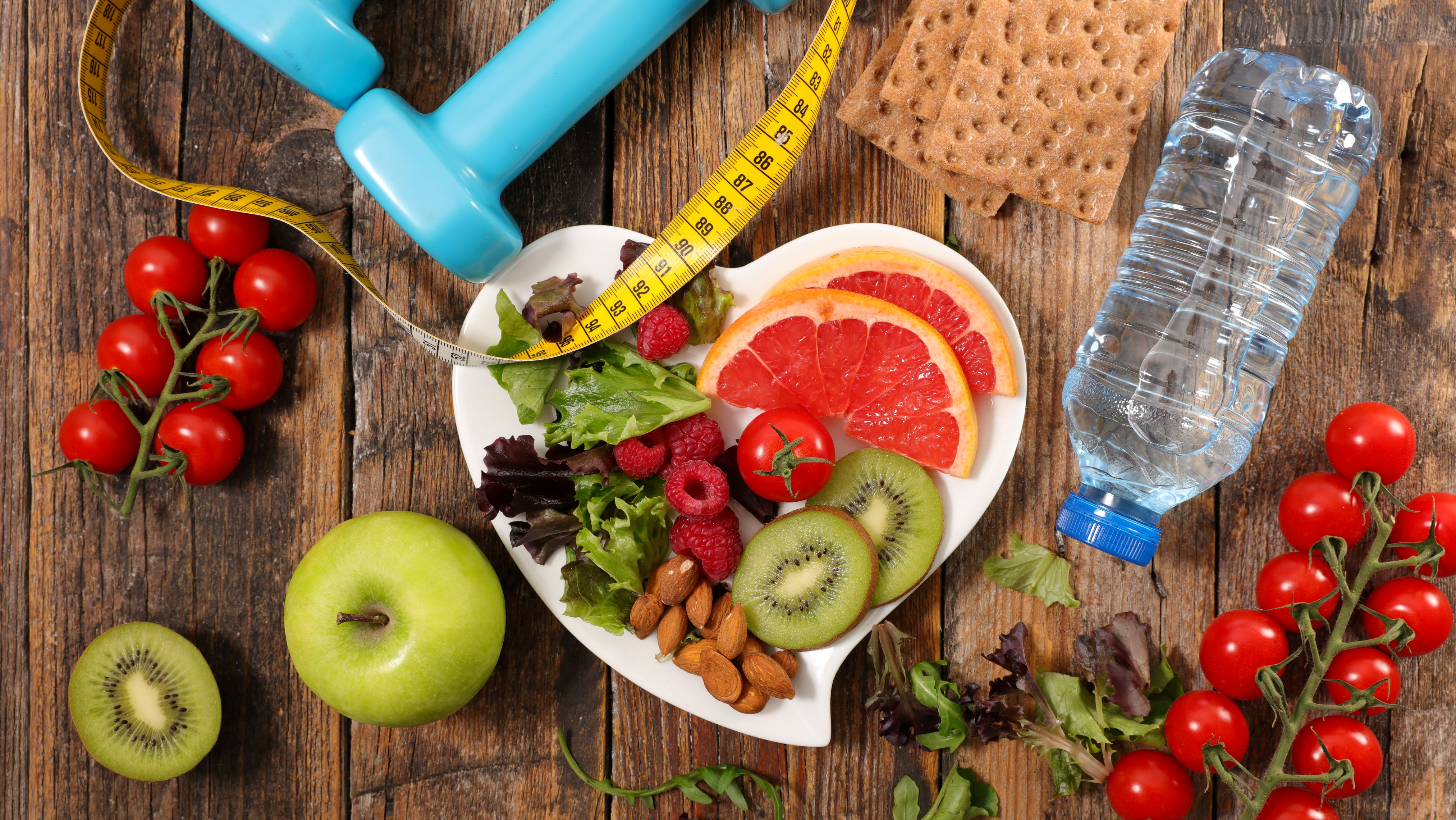
Staying healthy doesn’t require a complete lifestyle overhaul. In fact, it’s the small, consistent habits that make the biggest impact. Backed by leading health research, here are six science-supported wellness tips to help you feel better, think clearer, and live a healthier life.
1. Move Your Body Daily (even in small ways)
Why it matters: Regular physical activity improves mood, energy, heart health, and cognitive function. Even low-intensity movement like walking has been linked to lower rates of depression and anxiety.
Science says: A meta-analysis found that physical activity is significantly associated with reduced symptoms of depression and anxiety, regardless of intensity or duration (Schuch et al., 2018).
Try this: Aim for a brisk 20–30 minute walk each day or take short movement breaks every hour.
2. Get 7–9 Hours of Quality Sleep
Why it matters: Sleep plays a crucial role in immune function, mental clarity, metabolism, and emotional regulation.
Science says: According to the National Sleep Foundation, consistent sleep deprivation is linked to higher risks of heart disease, diabetes, and mood disorders (Hirshkowitz et al., 2015).
Try this: Stick to a consistent bedtime routine,avoid screens an hour before bed, and keep your bedroom dark and cool.
3. Eat a Whole-Foods-Rich Diet
Why it matters: What you eat doesn’t just fuel your body, it impacts your brain, gut health, and hormones.
Science says: Diets high in fiber, vegetables, wholegrains, and omega-3s are associated with a lower risk of depression and inflammation (Jacka et al., 2017).
Try this: Prioritize colorful vegetables, wholegrains, lean proteins, and healthy fats like avocado, fatty fish, or nuts.
4. Practice Mindfulness to Lower Stress
Why it matters: Chronic stress affects everything from blood pressure to immune function. Mindfulness and meditation help regulate cortisol (your stress hormone) and promote emotional balance.
Science says: Mindfulness-based interventions havebeen shown to significantly reduce symptoms of anxiety, stress, and depression(Goyal et al., 2014).
Try this: Spend just 5–10 minutes a day in quiet breathing, body scanning, or journaling.
5. Stay Hydrated to Support Body and Brain Function
Why it matters: Your body is made up of roughly 60% water, and even mild dehydration can affect your mood, energy, and cognitive performance. Staying hydrated is essential for digestion, temperature regulation, joint lubrication, and nutrient transport.
Science says: Studies show that even a 1–2% drop in hydration levels can impair concentration, increase fatigue, and negatively affect mood (Ganio et al., 2011; Masento et al., 2014).
Try this: Carry a refillable water bottle throughout the day and aim for at least 8 cups (64 oz) of water daily. Herbal teas and water-rich foods like cucumbers and berries also count toward hydration.
6. Don’t Ignore Your Mental Health
Why it matters: Mental and emotional wellness are directly tied to physical health. Taking care of your mind is essential to a balanced, healthy life.
Science says: The WHO states that mental health conditions are a leading cause of disability worldwide, and untreated stress or trauma can worsen chronic disease outcomes (WHO, 2022).
Try this: Check in with yourself regularly. Journaling, therapy, or talking to a trusted friend can provide crucial emotional support.
Final Thoughts
Wellness is not about perfection, it’s about progress. Small daily actions, done consistently, can dramatically improve your health overtime. Whether you’re walking a bit more, eating a healthier lunch, or taking time to breathe, it all adds up.
References:
Schuch, F.B., et al. (2018). Physical activity and incident depression: A meta-analysisof prospective cohort studies. American Journal of Psychiatry, 175(7), 631–648.
Hirshkowitz,M., et al. (2015). National Sleep Foundation’s sleep time durationrecommendations. Sleep Health, 1(1), 40–43.
Jacka, F.N., et al. (2017). A randomised controlled trial of dietary improvement foradults with major depression (the ‘SMILES’ trial). BMC Medicine, 15, 23.
Goyal, M.,et al. (2014). Meditation programs for psychological stress and well-being.JAMA Internal Medicine, 174(3), 357–368.
World HealthOrganization (2022). Mental health: Strengthening our response. Retrieved fromhttps://www.who.int
Ganio, M.S., Armstrong, L. E., Casa, D. J., McDermott, B. P., Lee, E. C., Yamamoto, L.M., & Marzano, S. (2011). Mild dehydration impairs cognitive performanceand mood of men. British Journal of Nutrition, 106(10), 1535–1543.
Masento, N.A., Golightly, M., Field, D. T., Butler, L. T., & van Reekum, C. M. (2014).Effects of hydration status on cognitive performance and mood. British Journalof Nutrition, 111(10), 1841–1852.


