Talking It Out: How Therapy Rewires Your Brain and Helps You Heal
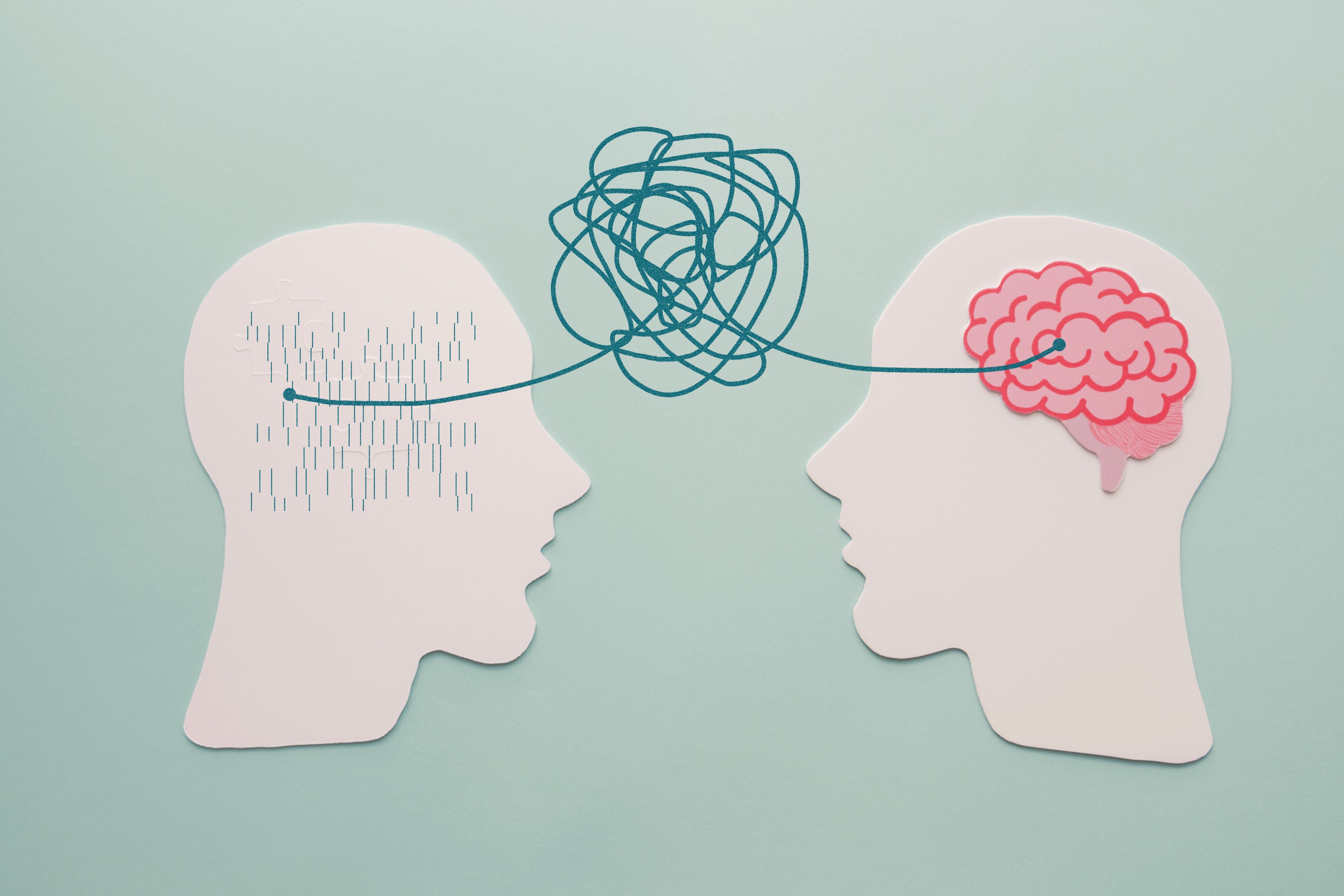
We’ve seen stereotypical depictions of therapy in popular media for decades, a well-dressed therapist in a serene office, with a client reclined on a comfy couch, pouring out their heart.
In recent years, therapy and mental health as a whole has gained popularity and shed much of its stigma. These days, it’s not uncommon to hear someone casually mention they have a therapist. In fact, it’s becoming the new norm. But what actually is therapy? And how does it work?
When you're feeling stuck, overwhelmed, or unsure of how to move forward, talking to someone trained to help can make all the difference. Talk therapy—also known as psychotherapy—is more than just “venting.” It’s a structured, evidence-based process that can improve your mental health, strengthen relationships, and support your personal growth in ways few other tools can.
What Is Talk Therapy?
Talk therapy refers to a range of treatments that involve discussing thoughts, feelings, and behaviors with a licensed mental health professional. It helps people gain insight, develop coping skills, and change unhelpful patterns.
There are several types of talk therapy, including:
- Cognitive Behavioral Therapy (CBT) – Focuses on changing negative thought patterns
- Psychodynamic Therapy – Explores how past experiences shape current behavior
- Humanistic Therapy – Emphasizes self-growth and personal meaning
- Interpersonal Therapy (IPT) – Addresses relationship patterns and communication
What Can Talk Therapy Help With?
You don’t need to be in crisis to benefit from therapy. In fact, many people use it as a tool for self-reflection, personal growth, and skill-building. That said, therapy is also highly effective for treating a wide range of challenges:
Anxiety and stress
Depression
Grief and loss
Relationship issues
Life transitions (career, identity, moving, etc.)
Trauma and PTSD
Low self-esteem or confidence
Chronic illness or pain
In a large meta-analysis, researchers found that talk therapy is as effective as medication for many people with anxiety and depression, especially when combined with other healthy habits (Cuijpers et al., 2016).
How Does Talk Therapy Actually Work?
1. Creates a Safe, Judgment-Free Space
Therapy provides emotional safety to explore what’s going on beneath the surface. This alone can be incredibly healing, especially for individuals who lack an emotional outlet.
2. Builds Awareness
You’ll gain insight into your thought patterns, relationship habits, and emotional triggers—turning the unconscious into the conscious.
3. Strengthens Coping Skills
Through evidence-based techniques, you learn practical tools to manage stress, improve communication, and regulate emotions.
4. Changes the Brain
Yes, therapy can actually rewire your brain. Neuroimaging studies show that CBT and other forms of talk therapy can alter neural activity in areas involved with emotion regulation (Goldapple et al., 2004).
Why Talk Therapy Supports Personal Growth
Even beyond treating mental health symptoms, therapy helps you:
Develop emotional intelligence
Build stronger relationships
Set better boundaries
Understand your values and goals
Make aligned life choices
Become more self-compassionate
In other words, therapy doesn’t just help you feel better, it helps you become better: more self-aware, more grounded, and more equipped to live the life you want.
Final Thought
Whether you're struggling with something specific or just feel ready to grow, talk therapy can be one of the most powerful investments you make in yourself. You don’t need to have all the answers, just the willingness to start the conversation.
If you’re curious about how therapy could help you, LASO Therapy connects you with licensed professionals who offer support when you need it.
References
American Psychological Association. (2023). Understanding psychotherapy and how it works. Retrieved from https://www.apa.org/topics/psychotherapy
Cuijpers, P., et al. (2016). Psychological treatment of depression in primary care: Recent developments. Current Psychiatry Reports, 18(12), 106.
Goldapple, K., et al. (2004). Modulation of cortical-limbic pathways in major depression: treatment-specific effects of cognitive behavior therapy. Archives of General Psychiatry, 61(1), 34–41.


